
Allergy Hives: How Airborne Pollutants Are Triggering That Itchy Rash on Your Skin
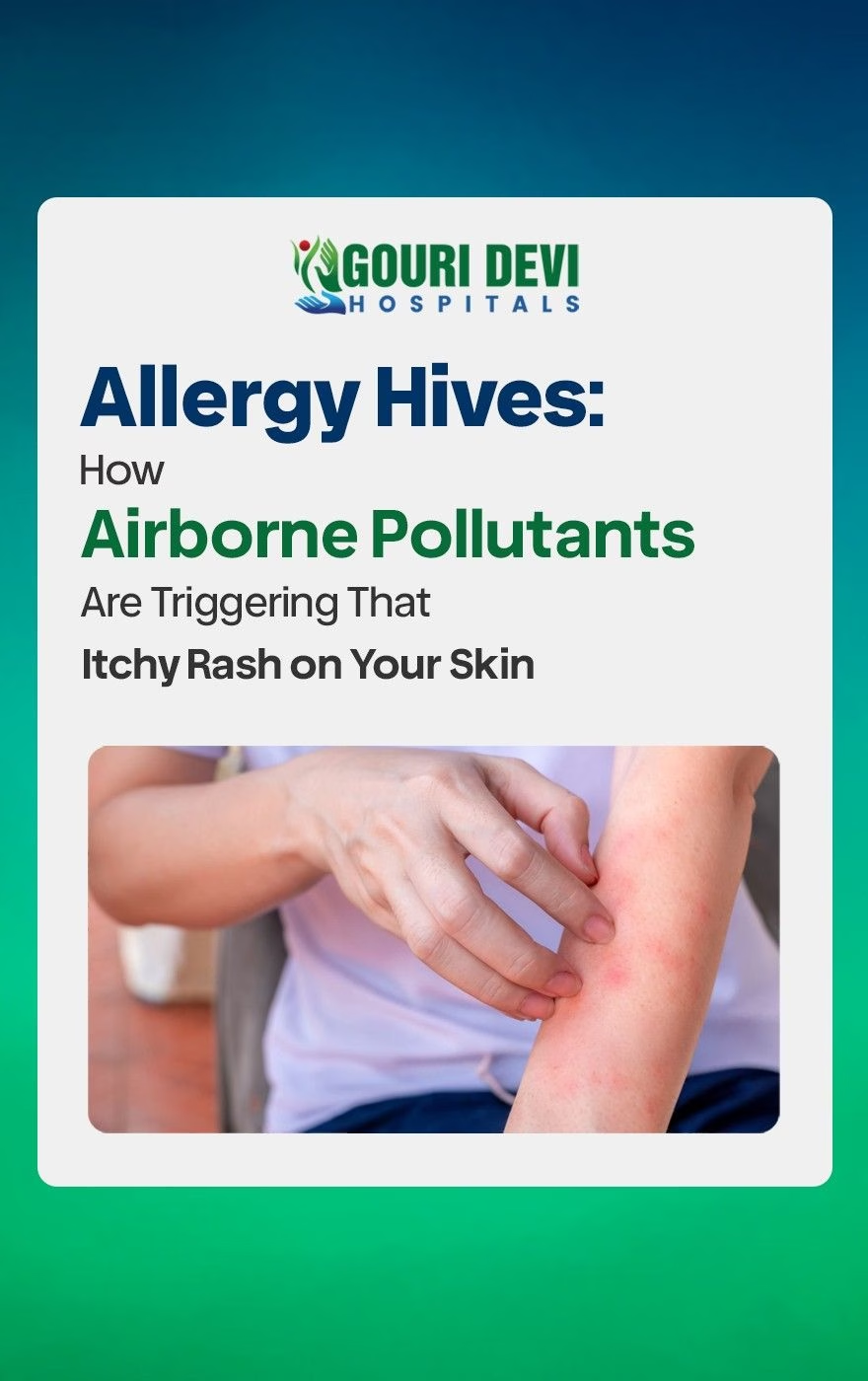
Raised bumps appear on the skin out of nowhere. They itch badly. They are red or pale. They can show up on the arms, the back, the neck, the face, anywhere really. And then sometimes they disappear just as suddenly as they came.
Most people who experience this have no idea what caused it. They blame the soap. Or the food they ate. Or the fabric of the shirt they were wearing.
But a very common and frequently missed cause of allergy hives is something completely invisible. The air itself.
Airborne pollutants, dust particles, pollen, mould spores and microscopic organisms floating in the air we breathe every day can trigger allergic hives on skin in people who are sensitive to them. And in a city like Durgapur, surrounded by industrial activity and seasonal dust, this is more common than most people realise.
This blog explains what allergy hives actually are, why airborne pollutants trigger them, and what can actually be done about it.
What Is Hives Allergy and How Does It Happen?
Hives allergy is one of the most searched questions on the internet about skin conditions. So let us answer it simply.
Allergy hives is a skin reaction where the body releases a chemical called histamine in response to something it has decided is a threat. That histamine causes blood vessels under the skin to leak fluid into the surrounding tissue. That fluid creates the raised, itchy bumps that people recognize as hives.
The medical name for allergy hives is urticaria.
What hives look like:
- Raised welts or bumps on the skin that are red, pink or skin coloured
- The bumps can be tiny or can join together to form large irregular patches
- They itch. Sometimes mildly. Sometimes intensely
- They can appear anywhere on the body
- Individual hives usually disappear within 24 hours but new ones can keep appearing
- The skin around the bumps may look slightly flushed or swollen
Short-term vs. Long-term hives:
- Acute allergy hives last less than six weeks. Usually caused by a specific trigger that was encountered once or occasionally.
- Chronic allergy hives persist for more than six weeks. These are harder to pinpoint and often linked to environmental triggers like airborne pollutants, dust allergy hives or ongoing exposure to something in the person's daily environment.
How Do Airborne Pollutants Cause Allergic Hives on Skin?
Most people understand that airborne pollutants can cause sneezing, a runny nose or asthma. Far fewer people know that these same airborne triggers can cause allergic hives on skin.
Here is how it happens:
- When an airborne particle (dust, pollen, mould, or chemical pollutant) enters the body through breathing or lands on the skin, the immune system in sensitive people identifies it as dangerous. Even though it is not.
- The immune system then releases immunoglobulin E antibodies (IgE) to fight it.
- These antibodies trigger mast cells, which are found in large numbers just under the skin, to release histamine.
- That histamine is what causes allergic hives rash to appear. The skin breaks out in welts and the itching begins.
Two Pathways of Reaction
The important thing to understand here is that allergic hives on skin from airborne triggers can happen in two ways:
- Inhalation: The person breathes in the pollutant and the immune reaction travels to the skin.
- Direct skin contact: The airborne particles land directly on exposed skin and trigger a local reaction.
Both pathways produce the same result: skin hives allergy appearing sometimes within minutes of exposure.
Hives from Dust Mites: One of the Most Common and Least Suspected Triggers
Hives from dust mites is so common and so widely underdiagnosed that it deserves its own section entirely.
Dust mites are microscopic creatures. They are so small they cannot be seen with the naked eye. They live in bedding, mattresses, pillows, carpets, curtains and upholstered furniture. Anywhere that fabric collects warmth and humidity. They feed on dead skin cells that naturally fall from the human body every day.
Their waste particles and body fragments become airborne when bedding is shaken, when a mattress is sat on, when curtains are moved or when a room is swept without dampening the dust first.
Why dust mites cause allergy hives:
- Dust mite waste proteins are extremely potent allergens.
- In sensitive people, breathing these particles in or having them land on skin triggers an immediate IgE immune response.
- Histamine floods into the surrounding skin tissue.
- Hives from dust mites appear, often on the arms, neck and face which are the areas most exposed during sleep.
Signs that dust mites may be the trigger:
- Allergic hives rash that appears frequently in the morning or immediately after waking up.
- Symptoms worse in the bedroom than in any other room.
- Skin hives allergy that gets worse when bedding has not been changed for a while.
- Other symptoms like sneezing, blocked nose or watery eyes appearing alongside the hives.
- Dust allergy hives that improve when spending time away from home, particularly in a hotel or a friend's house.
Dust Allergy Hives: How Industrial and Urban Pollution Makes It Worse
Living in or near an industrial belt like Durgapur, Asansol or similar areas adds another layer to the dust allergy hives problem.
Industrial activity releases particulate matter into the air. Factories produce fine dust from metals, chemicals, cement and combustion processes. This dust settles on surfaces, gets kicked back into the air, and is inhaled or absorbed through the skin constantly.
How industrial dust pollution triggers allergic hives on skin:
- Fine particulate matter from industrial activity is small enough to penetrate the skin barrier directly.
- Chemical compounds in industrial dust, including heavy metal particles, sulphur compounds and volatile organic compounds, are powerful irritants and allergens.
- Repeated exposure sensitises the immune system over time, meaning reactions become stronger and faster with each subsequent exposure.
- People who work in or live near factories, steel plants, cement units and similar industries have significantly higher rates of skin hives allergy than the general population.
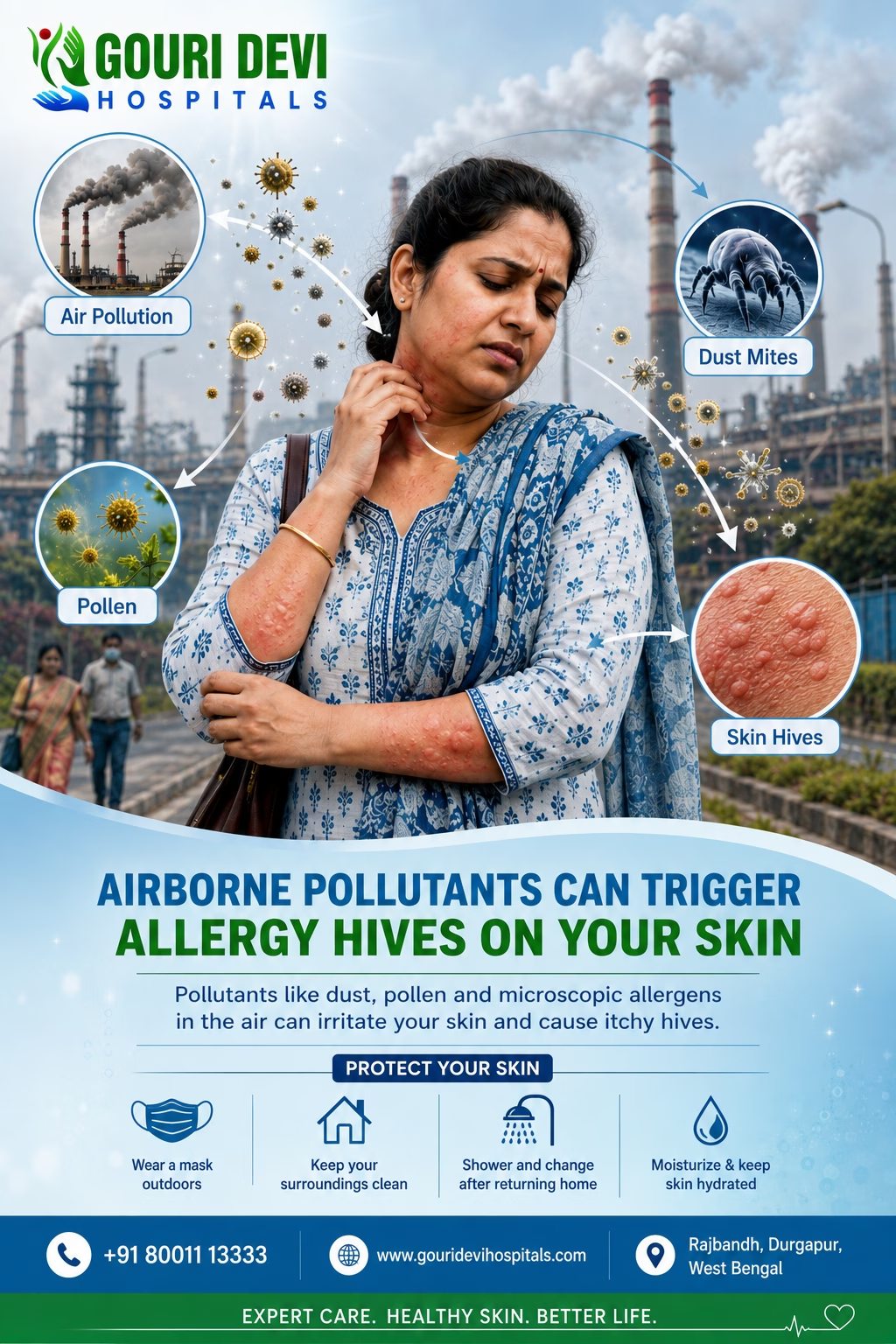
Seasonal factors that worsen dust allergy hives in this region:
- During dry winters, dust stays suspended in the air for longer periods.
- During harvest seasons, agricultural dust from surrounding rural areas mixes with industrial particulate matter.
- During summer when windows are kept open, outdoor pollutants enter homes freely.
- During construction activity nearby, cement dust and building material particles become significant triggers for allergic hives rash.
Other Airborne Triggers That Cause Skin Hives Allergy
Beyond dust mites and industrial pollution, several other airborne allergens commonly trigger skin hives allergy in sensitive individuals.
Pollen:
- Tree pollen in spring, grass pollen in summer and weed pollen in autumn are major seasonal triggers.
- Allergy hives from pollen typically follow a seasonal pattern. They appear during specific months and improve when that plant stops releasing pollen.
- Allergic hives rash from pollen is often accompanied by hay fever symptoms, runny nose, sneezing and itchy eyes.
Mould spores:
- Mould grows wherever there is moisture. Bathrooms, kitchens, damp walls, air conditioning units, old furniture.
- Mould releases millions of microscopic spores into the air continuously.
- These spores are potent allergens and cause dust allergy hives type reactions in people sensitive to mould.
- Symptoms worsen in humid weather, in rainy seasons and in poorly ventilated rooms.
Animal dander:
- Pet hair is not actually the allergen. The proteins in pet skin flakes, saliva and urine are.
- These proteins become airborne when animals move around and can stay suspended in the air for hours.
- Entering a room where a cat or dog lives can trigger allergic hives on skin in sensitive people even without touching the animal.
Chemical fumes and sprays:
- Perfumes, air fresheners, cleaning sprays, paint fumes and pesticides release airborne chemical compounds.
- These compounds land on skin or are breathed in and trigger immune reactions in sensitive individuals.
- Skin hives allergy from chemical sprays often appears within minutes of exposure.
How to Identify What Is Triggering Allergic Hives Rash
One of the most frustrating parts of dealing with allergy hives is figuring out what is actually causing them. Here is a practical approach.
- Keep a symptom diary: Write down every time allergic hives rash appears. Note the time, the location in the body, how long it lasted. Note what the person was doing, where they were, what they had eaten, what they had touched or breathed. Note the weather conditions and whether windows were open or closed. Over two to four weeks, patterns often start emerging.
- Notice timing patterns: Allergy hives that appear mainly in the morning point strongly toward hives from dust mites or a bedroom-based trigger. Hives that appear seasonally suggest pollen. Hives that appear mainly at work suggest an occupational or indoor pollutant trigger. Dust allergy hives that worsen in particular rooms suggest mould or dust accumulation in those spaces.
- Allergy testing: A skin prick test is the most common allergy test. Tiny amounts of common allergens are placed on the skin surface. A raised bump appearing confirms sensitivity to it. Specific IgE blood tests (RAST tests) measure the level of antibodies against particular allergens. Both tests help identify the specific trigger so that treatment can be targeted correctly.
What Is Hives Allergy Treatment and What Are the Options?
Hives allergy treatment aims to do two things. Stop the current reaction. Prevent future reactions from happening.
Immediate relief for allergic hives rash:
- Antihistamines are the first treatment for allergy hives. They block the histamine receptors in the skin and reduce itching, redness and swelling quickly. Non-drowsy antihistamines are preferred during the day. Sedating ones can be used at night when itching is disturbing sleep.
- Cool compress applied to the affected skin area gives immediate physical relief from itching and swelling.
- Avoiding scratching even though it is very difficult. Scratching worsens the reaction and breaks the skin, creating a risk of infection.
- Loose, light clothing made of cotton reduces friction and heat on the skin which both worsen allergic hives on skin.
- Corticosteroid creams for mild localised allergic hives rash in some cases as prescribed by a doctor.
Medical treatment for severe or chronic allergy hives:
- Oral corticosteroids like prednisolone for short courses when hives are severe and widespread.
- Omalizumab is a newer injectable medication approved for chronic allergy hives that do not respond to antihistamines. It works by blocking IgE, the antibody responsible for triggering the allergic reaction.
- Immunosuppressant medications in rare cases of severe chronic urticaria that does not respond to other treatments.
Skin allergy hives treatment through allergen immunotherapy:
Also called allergy shots or desensitisation. Small, gradually increasing doses of the specific allergen are given over months to years. The immune system gradually learns to tolerate the allergen and stops reacting so strongly.
Skin allergy hives treatment through immunotherapy works particularly well for hives from dust mites and pollen-related allergy hives. It is a long-term commitment but can significantly reduce or eliminate allergic hives on skin reactions for years.
How to Reduce Exposure to Airborne Triggers at Home
Hives allergy treatment works best when combined with reducing the trigger in the person's environment. Here is what genuinely makes a difference at home.
For dust mite related allergy hives:
- Wash all bedding in hot water above 60 degrees Celsius every week.
- Use dust mite proof covers on mattresses and pillows.
- Remove or regularly vacuum carpets and heavy curtains.
- Keep indoor humidity below 50 percent using a dehumidifier.
- Vacuum with a HEPA filter vacuum cleaner.
- Never shake bedding or rugs indoors.
For mould related dust allergy hives:
- Fix any leaks or damp patches in walls or ceilings immediately.
- Keep bathrooms well ventilated.
- Clean air conditioning filters regularly.
- Run an exhaust fan in the kitchen when cooking.
- Use an air purifier with a HEPA filter.
For general indoor air quality:
- Keep windows closed during high pollen seasons and heavy industrial dust periods.
- Use an air purifier with a HEPA filter in the bedroom.
- Avoid synthetic air fresheners and spray perfumes inside the home.
- Dust surfaces with a damp cloth rather than a dry one.
For people working in industrial environments:
- Wear appropriate respiratory and skin protection as provided by the employer.
- Shower and change clothes before entering the home after a shift to avoid bringing industrial dust particles indoors.
- Report skin symptoms to the occupational health team early.
When to See a Doctor for Allergy Hives
Allergy hives that come and go mildly can sometimes be managed with over the counter antihistamines initially. But there are situations where professional medical evaluation is essential and should not be delayed.
Seek immediate emergency care if: Skin hives allergy is accompanied by swelling of the lips, tongue or throat, or if breathing becomes difficult. This is a medical emergency called anaphylaxis.
See a doctor if:
- Allergic hives rash is spreading rapidly across large areas of the body
- The hives have been present for more than six weeks
- The hives keep coming back despite taking antihistamines regularly
- The allergic hives on skin are affecting sleep, work or daily quality of life
- Fever accompanies the hives
- The skin is breaking open or showing signs of infection from scratching
At Gouri Devi Institute of Medical Sciences and Hospital, the dermatology team works with patients experiencing all types of allergy hives, from mild occasional reactions to severe chronic skin hives allergy that affects daily life. Allergy testing, personalised skin allergy hives treatment plans and long-term management strategies are all available here.
One Final Word
Allergy hives from airborne pollutants is one of those conditions that many people live with for years without ever understanding what is actually causing it. They try changing their soap. Their detergent. Their diet. And the hives keep coming back because the real trigger—the dust in the mattress, the mould on the bathroom wall, the industrial air outside the window—is never addressed.
Understanding that skin hives allergy can come from the air just as much as from food or contact with a substance changes how the problem is approached. And approaching it correctly, with the right testing, the right hives allergy treatment and the right environmental changes, is what actually makes allergic hives on skin stop coming back.
If dust allergy hives or allergic hives rash has been a recurring problem, do not keep guessing at the cause. Get tested. Get answers. Get the right treatment.