
Can Kidney Disease Always Lead to Kidney Failure? Know the Difference
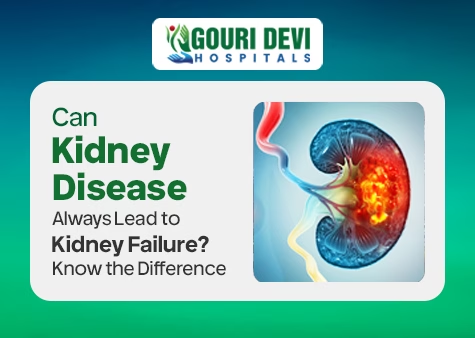
Your kidneys are two fist-sized organs sitting quietly in your lower back. Do you know these tiny organs filter about 200 liters of blood every single day! But most people never pay attention towards them until something goes wrong.
And when you find that health problems you are facing are actually Kidney failure symptoms, you get panicked, and numerous questions come into your mind. How serious is this? Is it a kidney disease or kidney failure?
Can it be reversed? Do I need to undergo Dialysis? Do I need to continue it till the time I live? This blog answers all of those “kidney-related questions”, in a simple and honest way.
What Exactly Is Kidney Failure and How Is It Different from Kidney Disease?
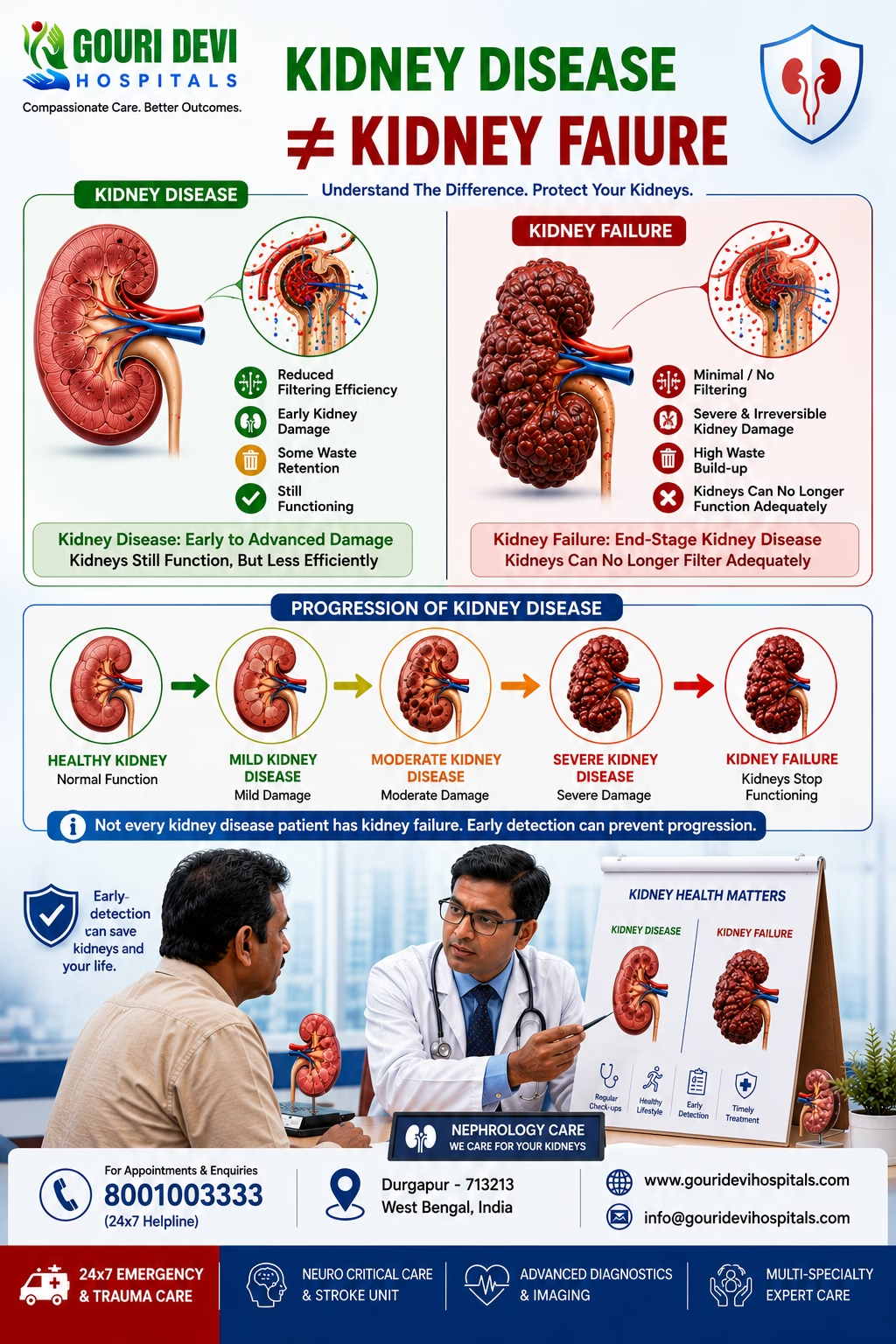
These two medical terms get used interchangeably but they are not the same thing for sure.
Kidney disease means the kidneys are damaged and are not working as well as they should. The damage level can be mild, moderate or severe.
Kidney failure means the kidneys have lost so much function that they can no longer keep the body function running on their own.
You can live with kidney disease for years. But you will require dialysis or a transplant to survive after detection of kidney failure.
What Are the Different Types of Kidney Disease?
Not all kidney problems are the same. The types of kidney disease include:
Chronic Kidney Disease (CKD)
The most common type. Kidneys slowly lose function over months or years, often without any symptoms.
Acute Kidney Injury (AKI)
Sudden kidney damage that happens over hours or days, often from dehydration, infection, medication or due to an accident.
Diabetic Nephropathy
Kidney damage caused by long-term diabetes. One of the leading causes of chronic renal failure in India.
Glomerulonephritis
Inflammation of the kidney's filtering units. It can be acute or chronic.
Polycystic Kidney Disease (PKD)
A genetic condition where cysts grow on the kidneys and gradually affect function.
Kidney Stones
Usually manageable but repeated stones can damage kidney tissue over time.
What Are the Stages of Kidney Failure?
Kidney failure stages are measured using a calculation called GFR, which tells doctors how well the kidneys are filtering blood. The lower the number, the worse the function.
- Stage 1: GFR 90 or above. Kidney damage is present but function is still normal. Often no symptoms are there.
- Stage 2: GFR 60 to 89. Mildly reduced function. Still mostly symptom-free.
- Stage 3a and 3b: GFR 30 to 59. Moderately reduced function. Fatigue and body parts swelling may begin to show.
- Stage 4: GFR 15 to 29. Severely reduced function. Symptoms become more noticeable. Planning for dialysis begins.
- Stage 5: GFR below 15. This is the demarcation of kidney failure. The kidneys can no longer sustain life without medical intervention.
The earlier kidney disease is diagnosed, the more treatment options you have. Stage 1 and 2 are very much manageable. For Stage 5 the scenario changes completely.
What Are the Most Common Kidney Failure Causes?
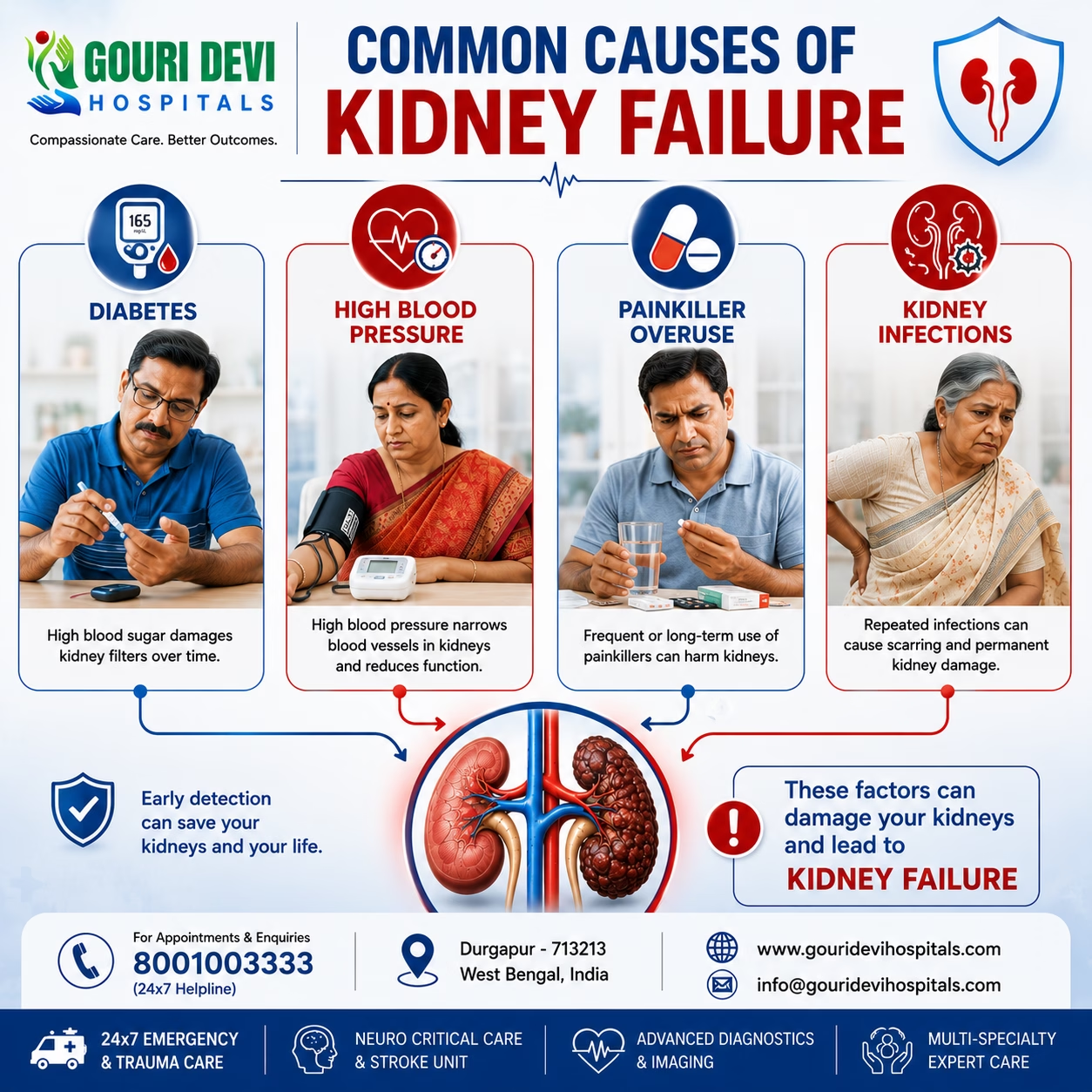
Kidney failure causes are more common than most people think and many of them are lifestyle related.
- Diabetes is the number one cause of chronic renal failure globally and in India
- High blood pressure puts constant strain on the kidney's blood vessels and is the second leading cause
- Repeated urinary tract infections that remain untreated can travel up to the kidneys and cause long-term damage and failure
- Certain medications taken for a long time, particularly painkillers like ibuprofen and diclofenac, are less known but a very common cause.
- Autoimmune conditions like lupus can attack the kidneys directly
- Obstruction from an enlarged prostate or kidney stones blocking urine flow can damage the kidneys
- Severe dehydration or blood loss that lowers blood supply to the kidneys suddenly causing functioning failure.
What Are the Symptoms of Kidney Failure?
Kidney failure symptoms are easy to miss in the early stages because the kidneys compensate remarkably well. The kidneys have an extraordinary reserve capacity. Together they have far more filtering power than the body actually needs to function. So even when damage starts happening, the remaining healthy tissue picks up the slack so well that you feel nothing. Blood tests can even look relatively normal until around 50 to 60 percent of the total kidney function across both kidneys is already gone. By the time symptoms appear clearly, function has often already dropped significantly.
So, you need a close eye on:
- Swelling in the feet, ankles and face, especially in the morning
- Persistent fatigue that does not get better after taking rest
- Reduced urine output or urine that looks foamy, dark or blood-tinged
- Shortness of breath even without physical activity
- Nausea, loss of appetite and a metallic taste in the mouth
- Itching all over the body, particularly at night
- Difficulty concentrating or feeling mentally foggy
- Muscle cramps, especially in the legs at night

Look for these symptoms and if you notice any of these go for blood tests immediately.
But if you take some routine blood tests like Creatinine and eGFR can detect declining kidney function long before any symptom appears.
Waiting to feel sick before getting checked is the most common and most costly mistake people make with kidney health.
Don't Ignore Kidney Symptoms
Early detection saves lives. Consult Our Nephrologists Today.
Book a ConsultationCan Kidney Failure Happen at a Young Age?
Yes, and it is happening more often than people think. The causes of kidney failure at a young age are slightly different from older patients.
- Uncontrolled Type 1 or Type 2 diabetes develops in younger people due to lifestyle changes
- Genetic conditions like Polycystic Kidney Disease that surface in the 20s and 30s
- Glomerulonephritis triggered by strep throat or other infections that go untreated
- High blood pressure in young adults that is undiagnosed or left unmanaged
- Excessive use of painkillers and gym supplements including creatine in high doses and certain protein supplements that strain the kidneys
- Drug addiction particularly heroin and certain solvents that are directly toxic to kidney tissues
- Recurrent kidney infections in young women that stay repeatedly untreated
Young people tend to feel invincible. They also tend to ignore symptoms longer. That combination is actually dangerous when it comes to kidney disease.
What Is Chronic Renal Failure and Is It the Same as CKD?
Yes, chronic renal failure and chronic kidney disease (CKD) refer to the same condition. The first term is the older medical terminology. CKD is what most doctors use today.
What makes it chronic:
- It develops slowly, often over years
- It is irreversible. Damaged kidney tissue does not regenerate
- It is progressive, meaning it tends to worsen over time if the underlying cause is not controlled
But it is also manageable. Many people with chronic renal failure live for decades with good quality of life when the condition is properly treated.
The goal of treatment is not to cure what has already been lost. It is to protect what remains.
Can Kidney Disease Be Reversed?
This is the question everyone asks and the honest answer has two parts.
Acute kidney injury can often be reversed if treated quickly. Remove the cause, support the kidneys and they can recover.
Chronic kidney disease cannot be reversed. Once kidney tissue is scarred, it stays scarred. But progression can be slowed significantly by:
- Keeping diabetes and blood pressure under tight consistent control, not occasionally but all the time
- Stopping regular painkiller use completely
- Eating in a way that reduces the filtering burden on whatever function remains
- Staying properly hydrated within whatever limits your doctor recommends
- Getting monitored at regular intervals so small changes are noticed before they become large ones
Slowing kidney disease down by even a few years makes an enormous difference to someone's quality of life.
How Is Kidney Failure Diagnosed?
Diagnosis involves a few straightforward tests:
Serum Creatinine and Blood Urea
Waste products that build up in the blood when kidneys are not filtering properly.
eGFR
Calculated from creatinine to estimate how well the kidneys are working. This determines kidney failure stages.
Urine Tests
Checking for protein or blood in the urine, both early signs of kidney disease.
Ultrasound
To look at the size, shape and structure of the kidneys.
Kidney Biopsy
In certain cases, a small sample of kidney tissue is taken to identify the specific types of kidney disease causing the damage.
Most of these are simple outpatient tests. There is no reason to avoid them.
What Happens When Kidneys Fail Completely?
When kidney failure reaches Stage 5, the body cannot survive without help. At this point there are two options:
Dialysis
- Haemodialysis: Blood is taken out of the body, filtered through a machine and returned. Usually done three times a week at a dialysis centre.
- Peritoneal Dialysis: A fluid is introduced into the abdomen through a catheter and acts as a filter inside the body. Can be done at home.
Kidney Transplant
- A healthy kidney from a living or deceased donor is surgically placed in the body.
- A successful transplant offers the best quality of life and frees the patient from dialysis.
- Requires lifelong medication to prevent rejection.
Neither option is easy. But both allow people to live meaningful, active lives when managed well.
What Should You Eat If You Have Kidney Disease?
Diet is one of the most powerful tools in managing kidney disease and slowing chronic renal failure.
General guidelines include:
- Reduce salt to protect blood pressure and reduce fluid retention
- Watch protein intake as excess protein creates more waste the kidneys must filter
- Limit potassium found in bananas, oranges and potatoes if levels in the blood are already high
- Limit phosphorus found in dairy, nuts and processed foods as damaged kidneys struggle to remove it
- Stay hydrated but follow your doctor's advice on fluid limits if you are in advanced kidney failure stages
Every patient is different. A dietitian can create a plan specific to your blood reports and stage of kidney disease.
When Should You See a Nephrologist?
Do not wait for symptoms to become severe. See a specialist if:
- Your routine blood test shows elevated creatinine even once
- You have diabetes or high blood pressure and have never had your kidneys checked
- You notice persistent swelling, foamy urine or unexplained fatigue
- Someone in your family has kidney disease or chronic renal failure
- You have been taking painkillers regularly for months or years
Kidney disease caught early is manageable. Kidney failure caught late is a crisis. The difference between those two outcomes is often just one blood test done at the right time.
Protect Your Kidneys With Timely Specialist Care.
Don't wait for a crisis. Schedule your screening today.
Book a Nephrology ConsultationThe Final Words
Kidney disease and kidney failure are serious. But they are not a death sentence when caught and managed properly. The kidneys are forgiving organs in the early stages. They ask very little of you most of the time.
What they do ask is that you pay attention when they start sending signals.
At Gouri Devi Hospitals, our highly experienced nephrology team provides comprehensive care for patients across all stages of kidney disease kidney failure. Right from early diagnosis and prevention to advanced kidney diseases treatments, dialysis, and transplant support.
If any of the symptoms or risk factors discussed in this article sound familiar, do not ignore them. A simple consultation and routine blood tests may help detect problems early and protect your kidney health for years to come.